
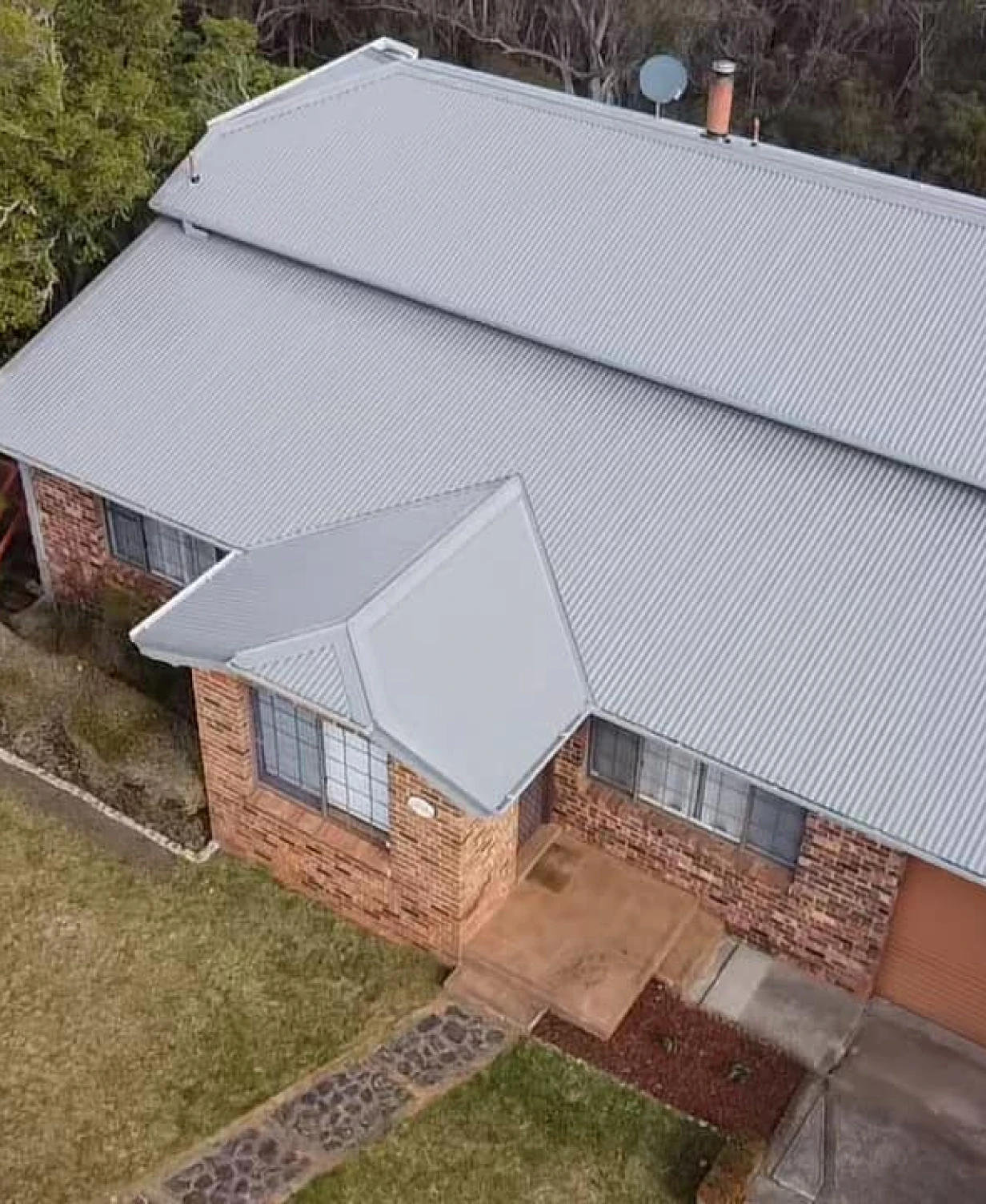
After a storm tears through Penrith, the Blue Mountains, or the Hawkesbury region, one of the first calls you will make is to your insurer. The assessor they send out will largely determine how much money you receive to repair your roof. Knowing how this process works, what to document, and what your rights are can make a significant difference to your claim outcome. This article covers everything you need to know from the moment the storm passes to the day repairs are complete.
Understand What an Insurance Assessor Actually Does
An insurance assessor, sometimes called a loss assessor or claims inspector, is appointed by your insurance company to inspect the damage and estimate the cost of repairs. Their job is to determine whether the damage is covered under your policy and how much the insurer should pay out.
It is important to understand that the assessor works for the insurer, not for you. That does not mean they are dishonest, but their estimate may not always reflect the true cost of quality repairs in your local area.
Here is what a typical assessor will look at during an inspection:
- The cause of damage and whether it aligns with the reported storm event
- The age and condition of your roof before the damage occurred
- The extent of damage to tiles, metal sheeting, gutters, flashing, and underlays
- Any pre-existing issues that could affect the claim
- Access difficulty and the scope of work required to restore the roof
In Western Sydney and the Blue Mountains, storm damage assessments often involve hail impact, wind-lifted tiles, and debris penetration. Each of these requires a different approach, and an assessor who does not specialise in local roofing conditions may underestimate the work involved.
Document the Damage Before Anyone Arrives
The single most important thing you can do after a storm is document the damage as thoroughly as possible before the assessor visits. Good documentation protects you if there is any dispute about what the storm caused versus what was pre-existing.
Do this as soon as it is safe to do so after the storm passes. Do not wait for the insurer to schedule an appointment, as weather and further deterioration can change the visible evidence quickly.
- Take dated photos and videos of all visible damage from ground level and inside your roof space if safe
- Photograph water stains, damaged ceilings, and wet insulation inside the home
- Collect any fallen tiles, debris, or broken materials and set them aside as evidence
- Note the date and time of the storm and save any weather reports or Bureau of Meteorology data for that event
- Write down a timeline of events including when you first noticed the damage
- Get an independent roofing inspection report before or alongside the insurance assessment
Having an independent report from a qualified roofer like Silverleaf Roofing gives you a second opinion in writing. This is especially useful if the assessor’s estimate comes in lower than expected.
Know Your Policy Before the Assessor Arrives
Your insurance policy document holds the answers to most disputes before they even begin. Reading it carefully before the assessment puts you in a much stronger position during the process.
Key things to look for in your policy include your excess amount, whether storm damage is specifically covered, any exclusions related to maintenance or age of the roof, and whether you are covered for temporary repairs or emergency tarping while waiting for the full claim to be processed.
| Policy Term | What It Means for Your Claim |
|---|---|
| Sum Insured | The maximum the insurer will pay. Make sure it reflects current rebuild costs in your area. |
| Agreed Value vs Market Value | Agreed value is set at the time of policy. Market value is assessed at claim time and may be lower. |
| Betterment Clause | Insurer may deduct costs if repairs result in an improvement over the original condition. |
| Maintenance Exclusion | Damage linked to poor maintenance may be excluded. Document your roof’s prior condition. |
| Temporary Repairs | Most policies cover emergency tarping or board-up to prevent further damage. |
| Cash Settlement vs Repair | You may be offered cash instead of a managed repair. Compare this to actual quotes first. |
If your policy wording is unclear, you can contact the Insurance Council of Australia or a financial counsellor for help before signing anything.
Compare Assessor Estimates with Independent Roofing Quotes
One of the most common issues homeowners face in Penrith and surrounding suburbs is receiving an assessor’s estimate that does not match what local roofers actually charge. Assessors often use national pricing databases that do not account for local labour rates, material costs, or access difficulty in areas like the Blue Mountains.
Getting at least two independent quotes from licensed roofers gives you a realistic benchmark. If those quotes are significantly higher than the assessor’s figure, you have grounds to dispute the assessment.
| Scenario | What to Do | Likely Outcome |
|---|---|---|
| Assessor estimate matches quotes | Proceed with claim as normal | Smooth repair process |
| Assessor estimate is lower than quotes | Request a review with supporting quotes | Partial or full increase to payout |
| Assessor disputes storm causation | Provide weather data and dated photos | May require independent expert report |
| Claim is denied | Lodge a formal dispute with insurer then AFCA | Dispute resolution or external review |
| Offered a cash settlement | Compare to actual repair quotes before accepting | You may negotiate a higher amount |
Silverleaf Roofing provides detailed written inspection reports that you can submit alongside your claim. This kind of documentation has helped many Penrith homeowners receive fair settlements for genuine storm damage.
Handle the Assessment Appointment Like a Professional
How you manage the assessor’s visit matters. Being prepared and present during the inspection gives you the best chance of a thorough and fair assessment.
- Be present for the entire inspection. Do not leave the assessor unsupervised on your property.
- Walk the assessor through all areas of damage using your photos as a guide.
- Point out damage inside the roof space, not just on the exterior surface.
- Ask the assessor to explain anything they note that you do not understand.
- Request a copy of their written report once it is complete.
- Do not agree to or sign anything on the day if you feel rushed or uncertain.
- Have a licensed roofer present if possible. Many will attend for a small fee or as part of a consultation.
In the Hawkesbury and Blue Mountains areas, roofs are often more complex due to steep pitches, bushfire-rated construction, and older building styles. Make sure the assessor acknowledges these factors in their report, as they directly affect repair costs.
Dispute a Low or Unfair Assessment Result
If you believe the assessor’s report undervalues your damage or incorrectly excludes part of your claim, you have clear options available to you under Australian law.
Start by contacting your insurer in writing to formally request a review. Include your independent roofing quotes, dated photographs, weather data, and any written report from a qualified roofer. Keep all correspondence in writing so you have a record.
If the insurer does not resolve your complaint, you can escalate to the Australian Financial Complaints Authority, known as AFCA. This is a free external dispute resolution service available to all Australian policyholders. AFCA decisions are binding on the insurer.
You may also consider hiring a public loss assessor. Unlike the insurer’s assessor, a public loss assessor works for you and negotiates on your behalf. They typically charge a percentage of the final settlement, but in complex or high-value cases they often recover far more than their fee.
Homeowners in Western Sydney who have gone through the AFCA process after significant storm events have successfully recovered additional payouts by providing strong supporting documentation. Do not accept a settlement that does not cover the real cost of restoring your roof to a safe and functional condition.
FAQs on Dealing with Insurance Assessors After Roof Storm Damage
How long does it take for an insurance assessor to inspect my roof after a storm?
After lodging a claim, most insurers aim to schedule an assessment within 5 to 10 business days. Following major storm events in areas like Penrith or the Hawkesbury, demand can push this out to 3 to 4 weeks. Request a priority inspection if there is active water ingress into your home.
Can I get my roof temporarily repaired before the assessor visits?
Yes, and most policies actually require you to take reasonable steps to prevent further damage. Emergency tarping or temporary repairs are generally covered. Just make sure to photograph the damage before any temporary work is done and keep all receipts for the materials and labour used.
What if the insurance assessor says the damage was caused by wear and tear, not the storm?
This is a common dispute. You can counter it with dated photos showing the roof’s condition before the storm, Bureau of Meteorology data confirming the storm event, and an independent inspection report from a licensed roofer. If the insurer still disagrees, escalate to AFCA for a formal review.
Do I need a licensed roofer to provide quotes for my insurance claim?
Insurers will generally require quotes from licensed contractors to process a claim. In NSW, roofing work requires a contractor to hold the appropriate licence through NSW Fair Trading. Always confirm your roofer’s licence number before including their quote in your claim documentation.
Can the insurer force me to use their preferred repairer?
Many insurers have preferred repairer networks. You may have the right to choose your own repairer, depending on your policy. Check your policy document or ask your insurer directly. If you choose your own repairer, the insurer may pay up to their assessed amount and you cover any difference.
What happens if my roof was already old or in poor condition before the storm?
Insurers may apply a betterment deduction if the repair results in an improvement over the pre-damage condition. They may also partially deny claims if they argue pre-existing deterioration contributed to the damage. Documenting your roof’s maintained condition regularly, including any recent repairs, helps reduce this risk significantly.
Wrap Up and Next Steps
Dealing with insurance assessors after roof storm damage is stressful, but being prepared makes a real difference. Document everything early, know your policy, and do not accept any estimate without comparing it to quotes from qualified local roofers.
Silverleaf Roofing has helped homeowners across Penrith, Western Sydney, the Blue Mountains, and the Hawkesbury get fair assessments and quality repairs after storm events. If you need an independent inspection report or a written quote to support your insurance claim, call us today on 0413 461 110. We will assess your roof thoroughly and give you the documentation you need to protect your claim.